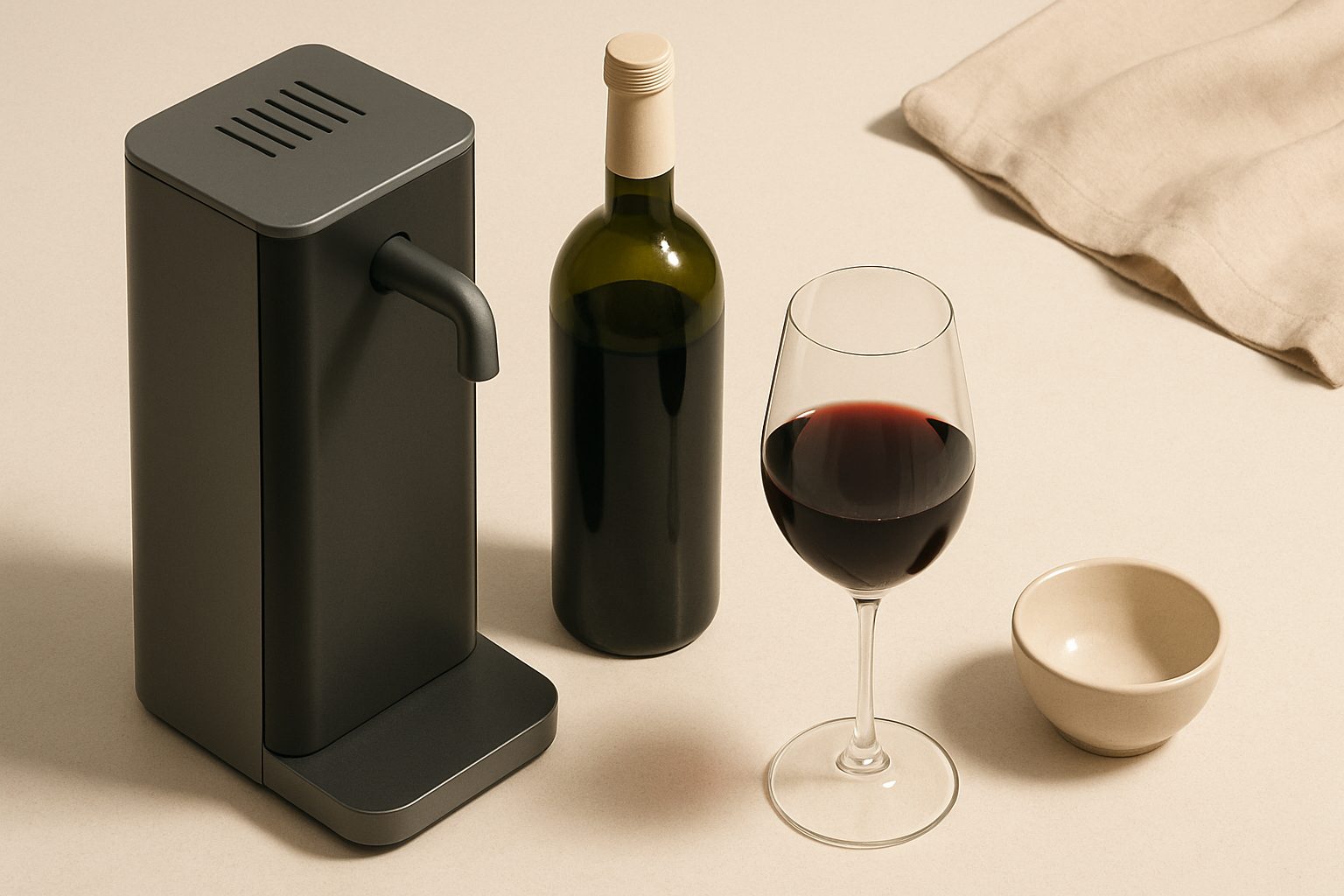
Best Wine Preservation Dispensers UK: Keep Every Glass as Fresh as the First
Once you've opened a bottle, the clock starts ticking. Oxidation is relentless—within days, most wines lose their character, depth, and the reasons you bought them in the first place. Wine preservation dispensers tackle this problem by replacing air with inert gas or creating a seal, buying you meaningful time to drink wine at your own pace. If you're serious about wine but don't always finish bottles quickly, understanding how these systems actually work—and what they're genuinely capable of—matters.
How Wine Preservation Dispensers Actually Work
The two main approaches differ significantly in how long they preserve wine.
Argon-gas systems (the Coravin model pioneered this approach) work by injecting food-grade argon beneath the wine surface. Argon is inert, denser than air, and sits atop the wine, blocking oxygen. You pour through a needle that pierces the foil or capsule, then inject argon on withdrawal. A single bottle can last weeks to months, depending on how frequently you open it and how well the seal remains intact. Real-world shelf-life claims for argon systems typically range from 4–8 weeks for most wines, with some premium units claiming longer under ideal conditions.
Vacuum-seal systems use a pump to remove air from the bottle, then seal it with a rubber stopper. These are simpler and cheaper, but less effective. Vacuum deteriorates over time—the seal isn't airtight indefinitely—and you lose some wine in the pumping process. Expect realistically 1–2 weeks of preservation, perhaps longer for full-bodied reds, though claims often stretch beyond this.
The Argon Advantage: Where It Matters
Argon systems cost significantly more—typically £200–£500 for a quality unit—but they solve a genuine problem that vacuum systems don't. If you're opening a £50+ bottle and drinking a glass or two, the ability to preserve it for 4–6 weeks without noticeable degradation justifies the outlay. Wine bars and restaurants switched to these systems precisely because they could offer premium wines by the glass without waste.
The catch: argon replacement cylinders add ongoing cost (usually £3–£8 per refill, lasting dozens of uses). Budget this if you're a frequent user.
UK-Market Options
Coravin Model Two Plus is the closest you'll find to a UK standard for argon dispensing. It's designed to work with most bottle types without removing the cork (you pierce through the capsule). The learning curve is shallow—inject gas, pour, stop. The unit itself is durable. You're paying for Coravin's monopoly on the cartridge supply, which some users find frustrating, but there's no serious alternative in this category.
Vacu Vin is the most common vacuum-seal option on UK shelves. It's cheap (under £15), reusable across bottles, and requires no consumables. It works, within the limits of vacuum preservation. Honest assessment: it's a band-aid for the next few days, not a long-term solution.
Home wine preservation kits from Amazon and specialist suppliers vary wildly in quality. Some use hand-pumps with rubber stoppers; others claim electronic vacuums. Read reviews carefully—many fail to maintain a seal or deteriorate within months.
Realistic Preservation Times
Don't trust marketing claims that stretch beyond what chemistry allows:
- Argon systems: 4–8 weeks for most wines. Some heavy, tannic reds hold longer. Sparkling wines are trickier—carbonation fades faster than still wine oxidises, so you may lose the fizz within 1–2 weeks despite argon.
- Vacuum seals: 3–7 days reliably. Up to 2 weeks if conditions are cool and you're lucky. Beyond that, assume the wine is degrading.
The difference between a £300 argon system and a £12 vacuum pump is the difference between "drink this next month" and "drink this this week". Choose based on how you actually drink wine.
When Preservation Dispensers Are Worth It
You're a candidate if:
- You buy premium wines (£30+) but often drink them in small portions.
- You enjoy wine variety and don't want to commit to finishing bottles quickly.
- You live alone or in a household where wine tastes differ.
- You entertain occasionally and want to offer good wines by the glass without waste.
You probably don't need one if:
- You drink full bottles within a few days.
- Your wine budget is under £20 per bottle.
- You prefer consistency and simplicity over flexibility.
Installation and Upkeep
Argon systems require minimal setup—unbox, insert cartridge, read the manual once. Refilling cartridges is straightforward. Vacuum pumps are even simpler: attach, pump, store. Neither demands maintenance.
Storage matters more than the dispenser itself. Cool, dark, upright (for still wines), away from vibration and temperature swings. A wine fridge at 10–12°C is ideal; a kitchen shelf at 18°C works, but the preservation window shrinks.
The Honest Limitation
No preservation system stops oxidation entirely. What they do is slow it dramatically. A wine that tastes noticeably different after 3 days open might stay stable for 6 weeks under argon, but it's not frozen in time. Full-bodied reds and fortified wines handle preservation better than delicate whites and very old bottles, which oxidise faster regardless.
Final Word
Wine preservation dispensers solve a real problem for people who buy better wine than they can drink immediately. Argon systems work; vacuum systems work within their narrower scope. The investment is whether your drinking habits justify the upfront and ongoing cost. If you're regularly opening bottles of interesting wine but only pouring one glass, an argon system will pay for itself in prevented waste and the freedom to drink at your pace.
More options
- Electric Home Wine Dispensers (Amazon UK)
- Wine Preservation Systems (Argon / Vacuum) (Amazon UK)
- Countertop Wine Cooler Dispensers (Amazon UK)
- Box Wine Dispensers & Bag-in-Box Taps (Amazon UK)
- Wine Dispenser Gift Sets (Amazon UK)